











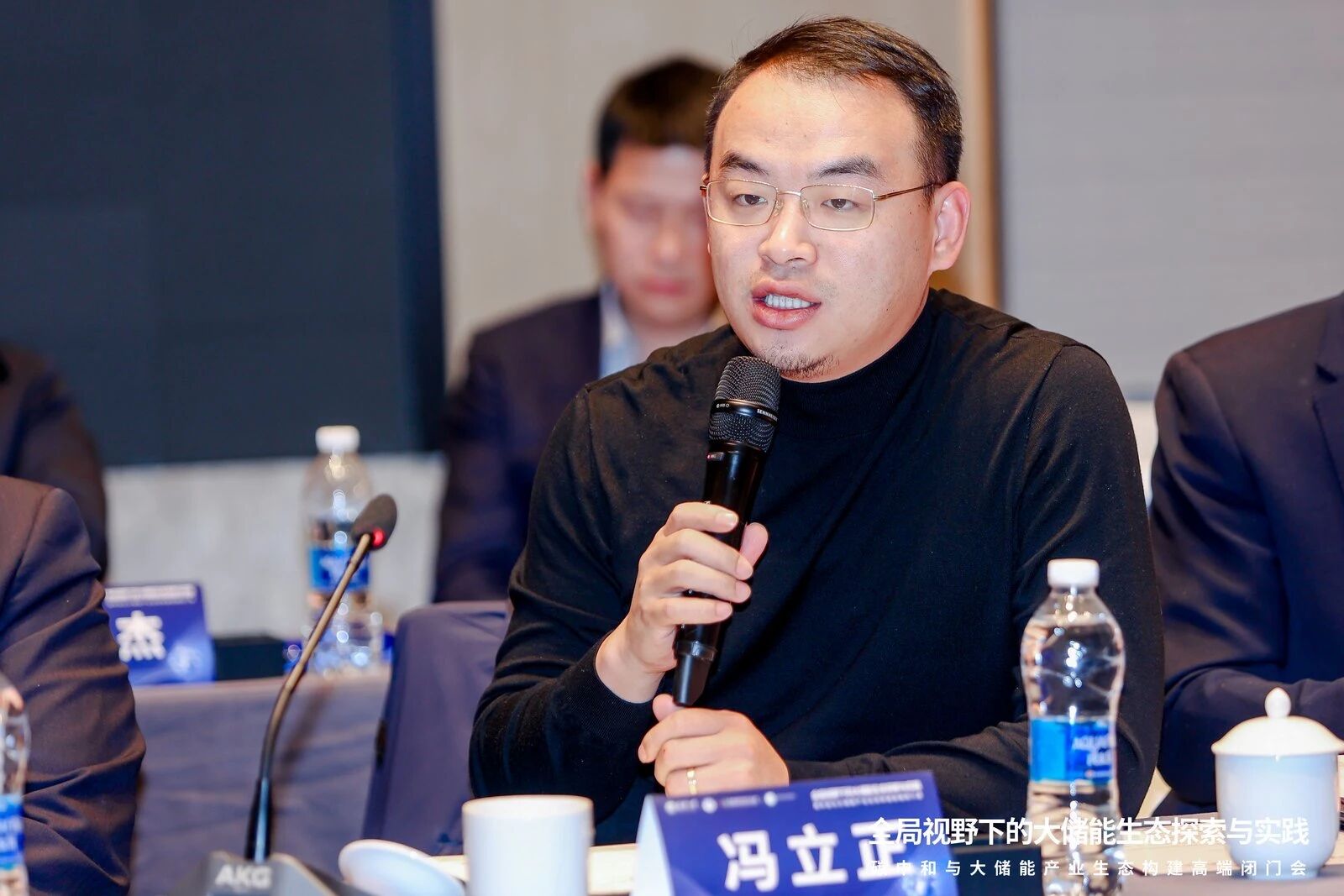
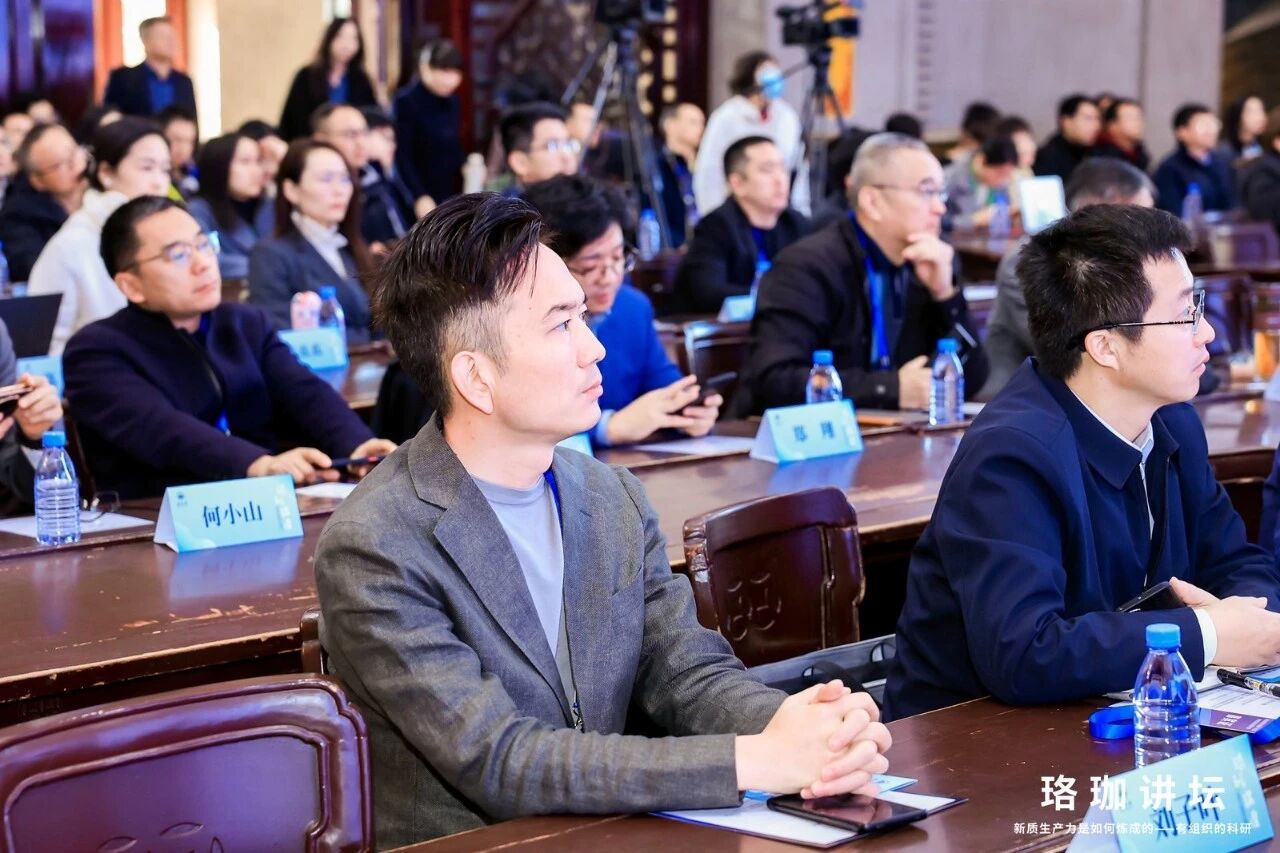
On November 28, the "Luojia Forum and High-Level Closed-Door Meeting on Large-Scale Energy Storage Ecosystem Development", hosted by Wuhan University and the China Sustainable Development Research Association and supported by the China Industrial Development Promotion Association, was grandly held. The meeting invited multiple academician experts, association leaders and representatives from various sectors. Mr. Feng Lizheng, Chairman of our company, and Mr. Liu Ziye, Executive President, were invited to attend.
This year's National Two Sessions explicitly proposed to "develop new types of energy storage". How to foster the new quality productive forces in the energy storage industry, deepen the integration of government, industry, academia, application and finance and focus on solving the industry's issues of "disorderly internal competition", "technological bottlenecks" and "market pain points" has become a crucial topic of concern for the Large-Scale Energy Storage Ecosystem Innovation Consortium.
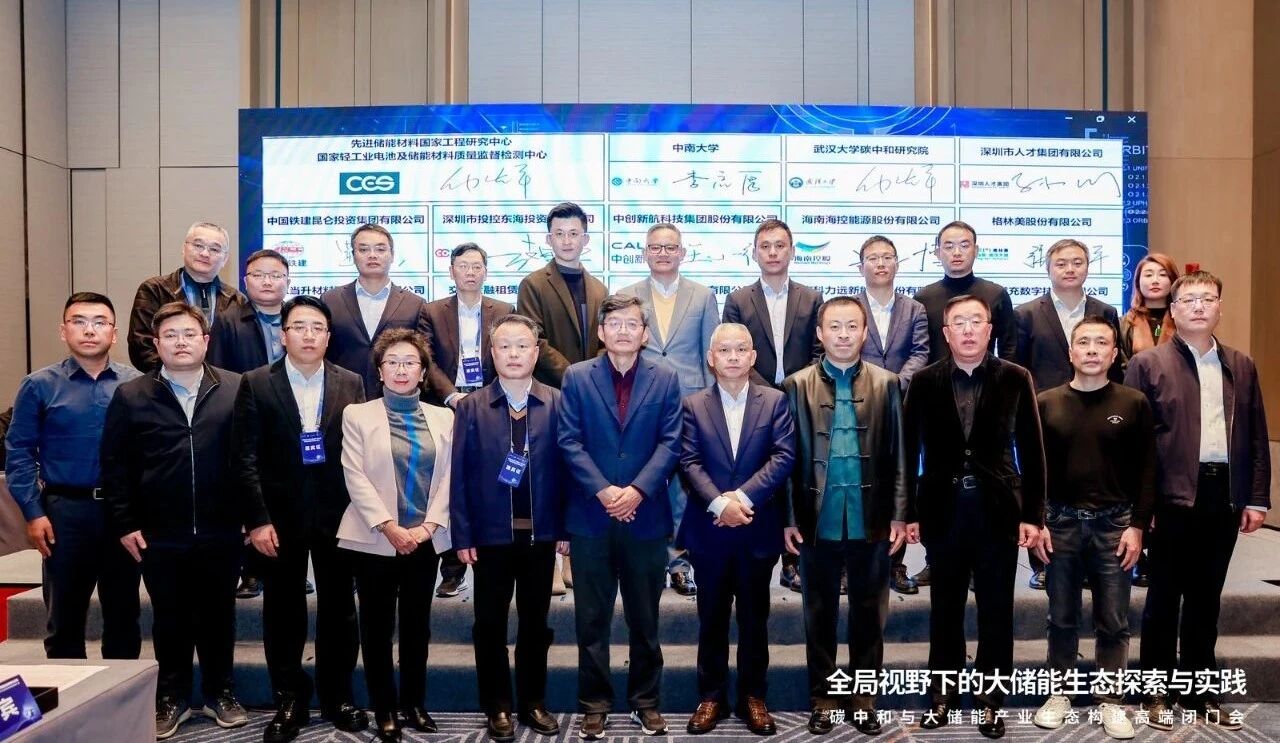
At the meeting, in-depth discussions were held with Academician Yu Yixin of the Chinese Academy of Engineering, Vice President Gong Wei of Wuhan University, Director Zhong Faping of the National Engineering Research Center for Advanced Energy Storage Materials and Dean of the Carbon Neutrality Research Institute at Wuhan University, President Yu Tong of the China Industrial Development Promotion Association, Secretary-General Zhou Hailin of the China Sustainable Development Research Association, as well as representatives from the education, industrial, technological and financial sectors.
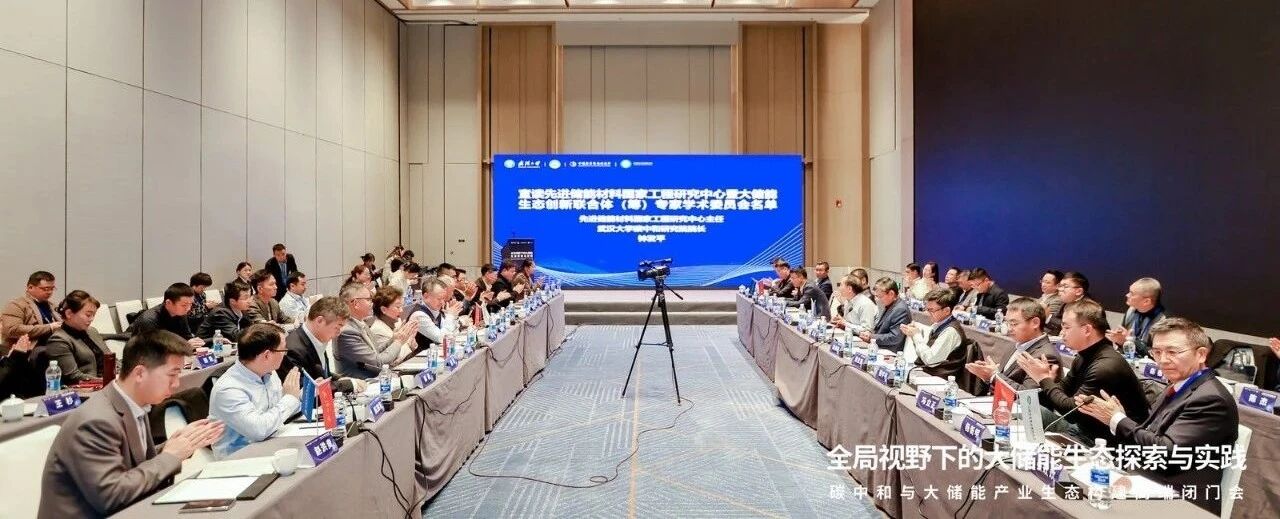
Academician Yu Yixin emphasized the diverse value of energy storage in grid development, stating that the coordination of source, grid, load and storage can effectively address and resolve the three major issues of global warming, air pollution, and energy security. However, it is necessary to answer the questions:“What energy storage technologies are most suitable for the future grid? What models are most suitable for energy storage?”
Professor Zhong Faping pointed out that the energy storage sector should focus on technology, innovation, talent and synergy, rather than engaging in low-level competition. He emphasized that low-level competition yields half the results with double the effort and fails to address the industry's systemic challenges. It requires the integrated development of government, industry, academia, research, finance, services and application, achieved by establishing the Large-Scale Energy Storage Ecosystem Innovation Consortium to collectively overcome obstacles. Under this model, member units, based on a value-sharing mechanism, engage in resource sharing and technological collaboration. Horizontally, they connect government, industry, academia, research, finance, services and application. Vertically, they link upstream and downstream sectors, posing challenges to each other, solving problems together, serving as each other's clients and suppliers, thereby forming a tightly integrated industrial ecosystem.
Zou Lin, member of the consortium's preparatory committee, stated that the innovation consortium will closely focus on the pain points and demands of new energy storage technology and industrial development. It aims to promote the organic integration and deep convergence of "technology-education-talent-industry-capital", drive breakthroughs in key common technologies for energy storage and accelerate collective efforts to expand globally.
That day, led by the National Engineering Research Center for Advanced Energy Storage Materials, Guoxia Technology, together with other outstanding enterprises, renowned universities, research institutes, as well as financial and talent service institutions, jointly initiated the establishment of the Large-Scale Energy Storage Ecosystem Innovation Consortium.
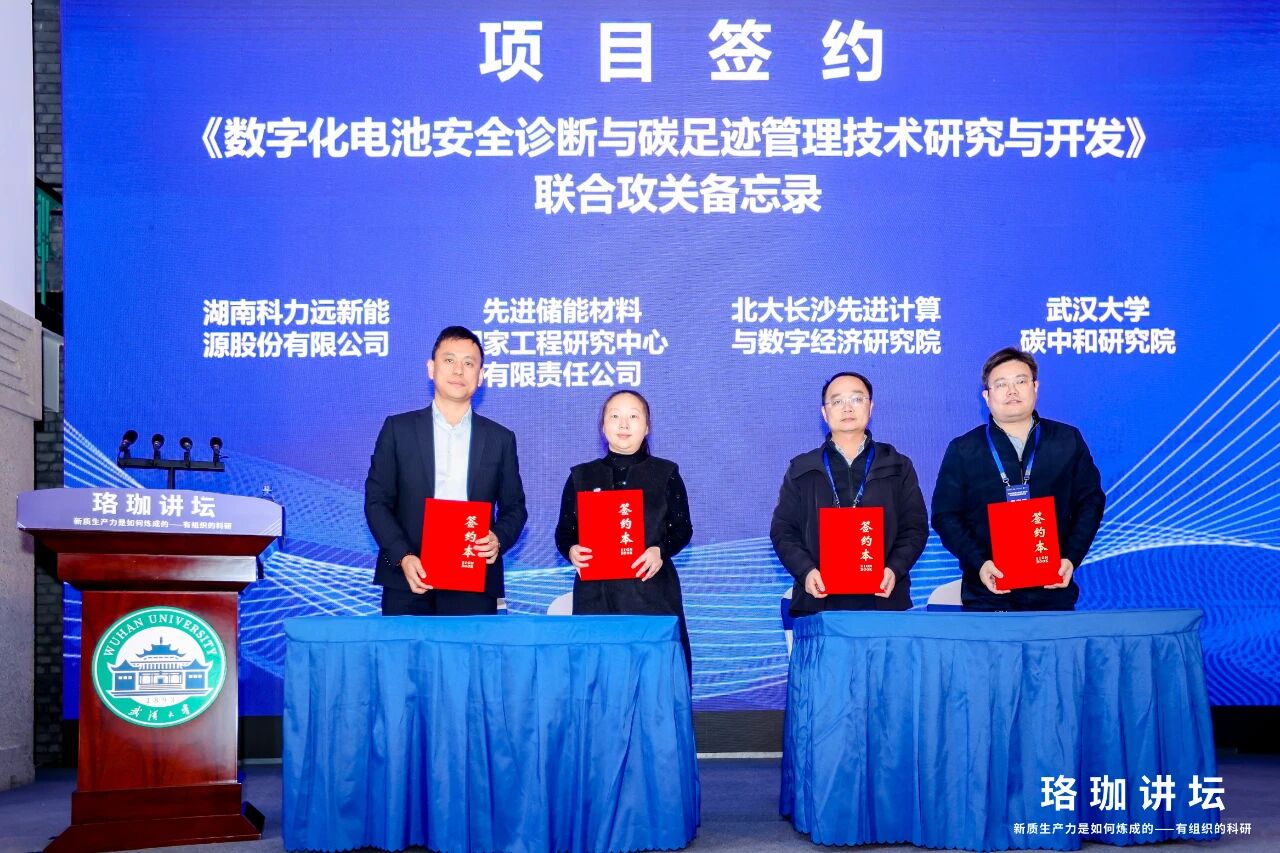
Consortium members Corun, the National Engineering Research Center for Advanced Energy Storage Materials, the Carbon Neutrality Research Institute of Wuhan University and the Changsha Institute of Computing and Digital Economy of Peking University signed a joint research and development memorandum on "Digital Battery Safety Diagnosis and Carbon Footprint Management Technology". The collaborating parties will engage in joint research and tackle challenges in areas such as digital battery safety diagnosis and early warning, as well as the full lifecycle management of energy storage power stations. The Carbon Neutrality Research Institute of Wuhan University and Shenzhen Talent Group Co., Ltd. signed the "Cooperation Agreement on Jointly Establishing a (Shenzhen) Research Center by the Carbon Neutrality Research Institute of Wuhan University". Both parties will explore innovative approaches in talent recruitment, training mechanisms and the commercialization of research achievements.
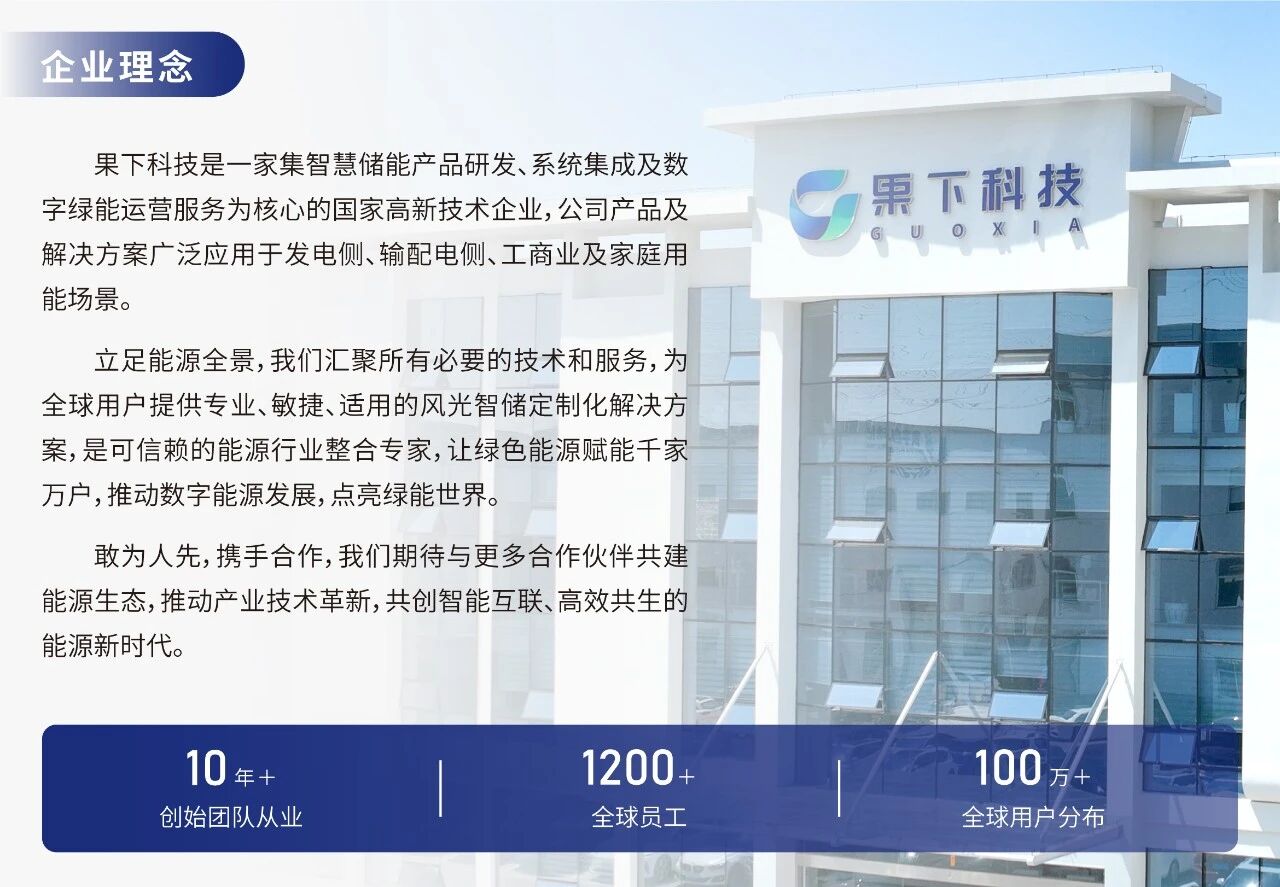
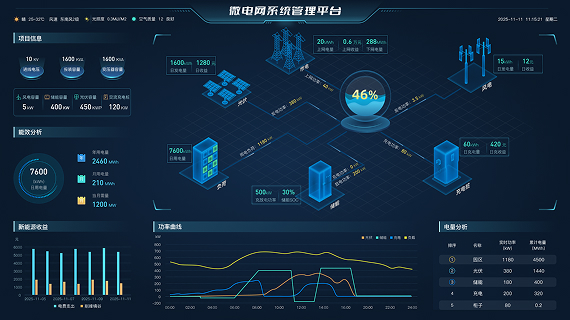
As a council member of the National Engineering Research Center for Advanced Energy Storage Materials, Guoxia Technology's participation in the Large-Scale Energy Storage Ecosystem Innovation Consortium will leverage its strengths in smart energy storage product development, system integration and digital energy cloud platform applications to contribute to the high-quality development of the energy storage industry. The company will collaborate with consortium members in resource sharing and technological synergy, pioneering and setting an example for the construction of China's large-scale energy storage ecosystem, collective global expansion and high-quality sustainable development.